






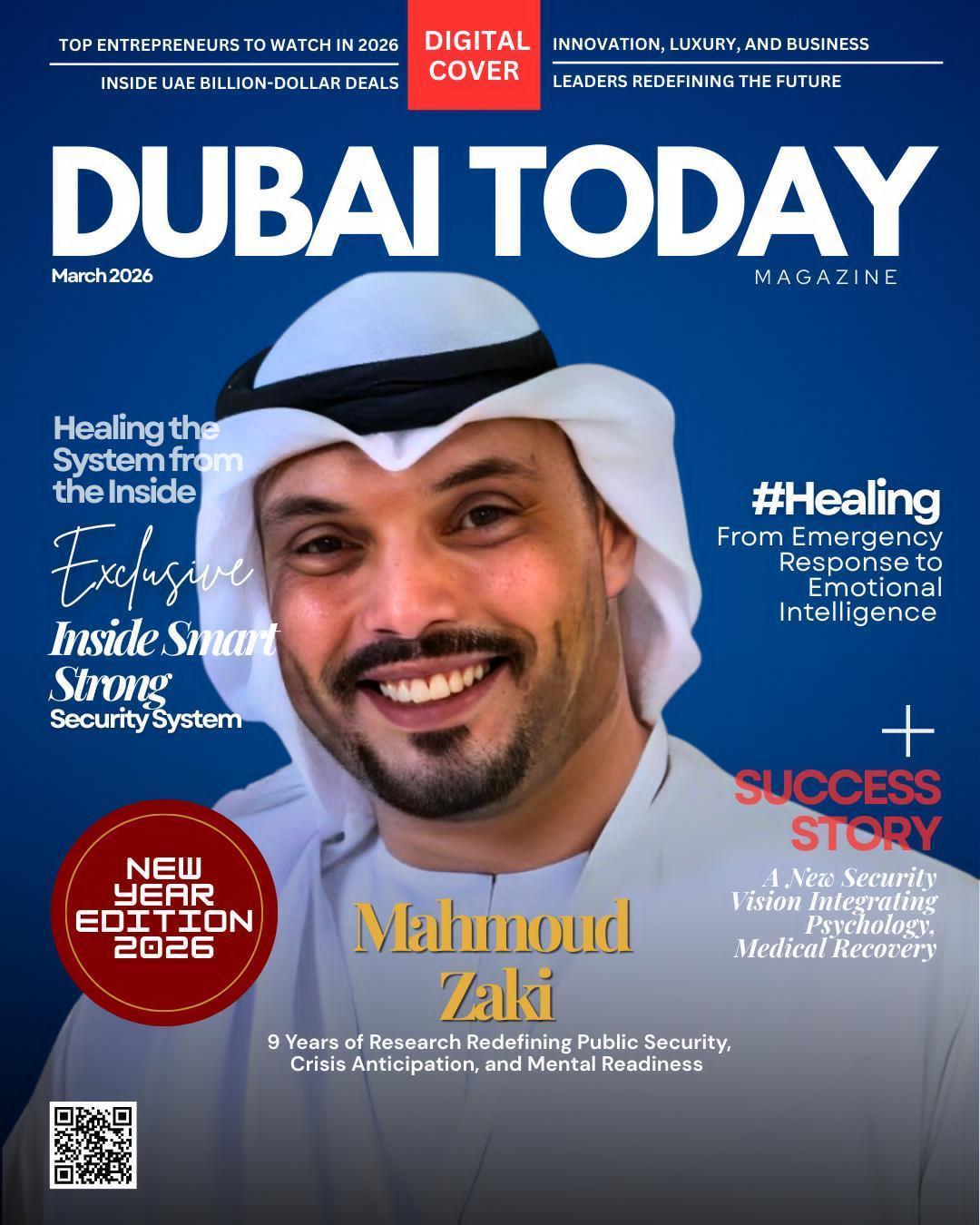
In a world where security challenges are becoming increasingly complex, the concept of safety is evolving beyond traditional enforcement and rigid systems. Modern security requires not only advanced technology and strategic planning but also a deep understanding of human behavior, emotional resilience, and psychological preparedness.
This transformative perspective forms the foundation of the Smart Strong Security System, a concept developed through years of research, professional experience, and collaboration within the fields of security, psychology, and crisis management.
At the heart of this system lies a simple yet powerful belief: strong security begins with strong people.
While technology, procedures, and protocols remain essential, the strength of any security structure ultimately depends on the individuals who operate within it. Leadership, teamwork, emotional intelligence, and mental readiness are equally critical in maintaining stability and responding effectively to crises.
Building Strong Teams and Healthy Work Environments
A security team is more than a collection of individuals performing assigned duties.
It is a unified identity built on trust, discipline, and shared values. Every officer plays an important role in protecting society, and every contribution strengthens the overall system.
Creating a healthy and supportive work environment is essential for maintaining high performance and morale.
When individuals feel respected, valued, and supported by their leadership, they are more motivated, focused, and committed to their responsibilities.
A positive organizational culture encourages collaboration, clear communication, and a shared sense of purpose.
Effective leadership also plays a defining role in shaping such an environment. Leaders who communicate a clear vision inspire their teams to innovate, grow, and actively contribute ideas. Encouraging diverse viewpoints allows organizations to analyze challenges from multiple perspectives, leading to stronger strategies and better decision-making. Listening to the insights of team members fosters trust and strengthens loyalty within the organization.
Empowering Women in Security
One of the most important pillars of modern security systems is the recognition and empowerment of women in the field. Women working in high-pressure environments bring valuable perspectives, leadership qualities, and emotional intelligence that strengthen operational effectiveness.
Supporting women in security should never be seen as a symbolic gesture or privilege. Instead, it is a responsibility that reflects fairness, professionalism, and progress.
Women continue to play increasingly vital roles in law enforcement, intelligence, investigations, and crisis management around the world.
Recognizing their dedication and resilience is essential not only for equality but also for strengthening institutions. When women are supported and given opportunities to lead, they contribute significantly to the stability and development of security organizations and communities.
The Role of Psychology in Modern Security
Security is closely connected to human behavior, making psychology a crucial element in modern security strategies.
Professionals with backgrounds in clinical and forensic psychology contribute to multiple areas, including criminal investigations, behavioral analysis, and the preparation of psychological reports.
Psychological expertise also plays an important role in supporting individuals affected by trauma, addiction, neurological challenges, and adolescent behavioral issues. Through structured counseling and therapy, professionals help individuals regain emotional stability and resilience.
Understanding how the human mind responds to stress and danger is particularly valuable in crisis situations. During emergencies, the body naturally activates heightened awareness and instinctive reactions. Proper psychological training allows individuals to control panic, manage emotions, and respond with greater clarity and effectiveness.
Integrating Science and Holistic Well-Being
Beyond traditional
psychological methods, modern research increasingly explores holistic approaches to health and resilience. Concepts such as energy balance, emotional alignment, and innovative therapies are being studied for their potential contributions to overall well-being.
Methods such as bioresonance therapy and energy-focused healing approaches aim to harmonize the body’s natural systems and support emotional balance. While these methods continue to be explored and researched, they reflect a growing interest in integrating scientific understanding with holistic wellness practices.
The ultimate objective is to strengthen individuals physically, emotionally, and mentally so they can perform effectively in both professional and community settings.
A Nine-Year Journey of Research and Development
The principles behind the Smart Strong Security System are detailed in the book of the same name, the result of nine years of dedicated research and study. Drawing from specialized academic sources, professional experiences, and insights gained from working with experienced leaders and security officers, the book provides a comprehensive exploration of modern security philosophy.
The work is structured around three key areas: the history and development of public security, management science and institutional leadership, and the psychological factors that shape team success. Special emphasis is placed on building healthy work environments and recognizing the vital contributions of women in security roles.
A Vision for the Future
The Smart Strong Security System represents a forward-thinking vision for the future of global security.
By combining psychology, leadership, technology, and human-centered values, the system encourages a more balanced and effective approach to protecting societies.
As security systems continue to evolve, integrating
knowledge, collaboration, and emotional intelligence will be essential. Sharing research, experiences, and innovative ideas allows professionals across the world to learn from one another and strengthen their institutions.
Ultimately, the goal is not only to build stronger security systems but also to create communities where individuals feel protected, respected, and empowered—ensuring a safer and more resilient futurWell-Being
